Twin-Shot Molding vs. Overmolding: Understanding Key Injection Molding Techniques
In the world of plastic injection molding, two critical processes stand out: twin-shot molding and overmolding. Both techniques allow manufacturers to create complex, multi-material parts with unique properties, but they differ significantly in their approach and applications. In this article, we’ll explore these methods, their advantages, and the best use cases for each.
What is Twin-Shot Molding?
Twin-shot molding (also known as dual-shot or multi-shot molding) is a manufacturing process where two different plastic materials are injected into a single mold in two stages. This allows for the creation of parts with multiple colors or materials without requiring additional assembly steps.
The twin-shot process involves first injecting the base material, which forms the substrate. The substrate is then transferred to a second mold where the second material is injected. This second material bonds directly to the substrate, resulting in a fully integrated part. This technique is highly efficient for producing parts that require multiple materials, such as soft-touch grips on hard plastic bodies, or combining different textures and colors.
Applications of 2k Molding Injection:
•Medical devices and surgical instruments
•Automotive components
•Consumer electronics
•Multi-material and multi-color consumer products
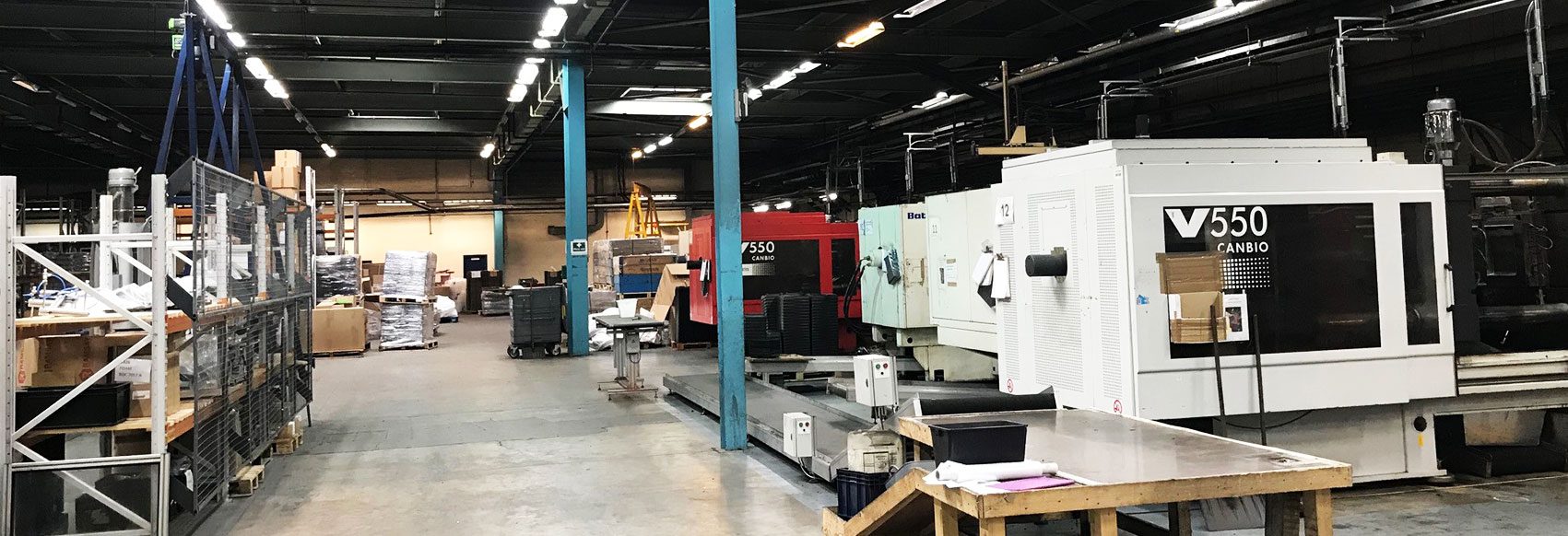
At Total Moulding Solutions, we specialise in twin-shot injection molding. Our tooling and injection molding services allow for high-precision production of multi-material components, making it an ideal choice for industries requiring high-quality, versatile parts.
What is Overmolding?
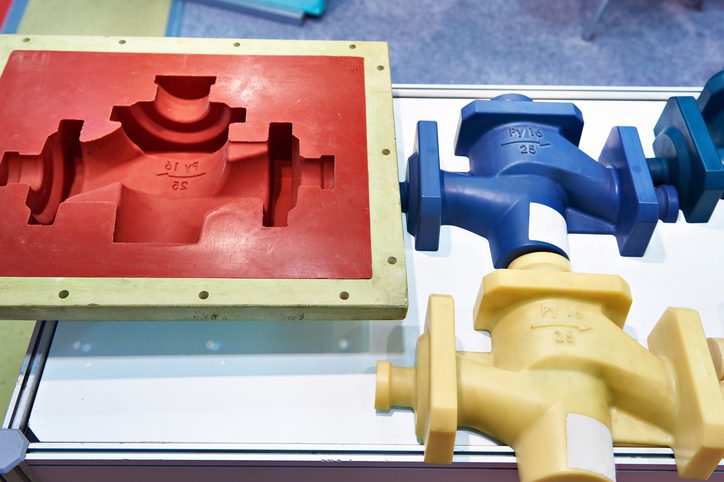
Overmolding is a similar technique where a second material is molded over a previously created substrate, but this can involve different materials, including metals and plastics. Unlike two-shot molding, overmolding doesn’t require the use of a rotary mechanism or multi-stage molds. Instead, the substrate is placed into a mold cavity, and the overmold material is injected around or onto it, forming a bond between the two materials.
Overmolding is often used for adding functional features like a soft-touch layer or improving the aesthetic of a product. It’s especially useful for creating ergonomic designs and ensuring durability.
Applications of Overmolding:
•Handles with soft-touch grips for tools or kitchen utensils
•Electronic device cases with water-resistant properties
•Vibration dampening parts for automotive or industrial use
•Medical devices requiring both hard and soft materials
At Total Moulding Solutions, we offer both overmolding and twin-shot injection molding, giving our customers flexibility in design and material choices.
Key Differences: 2k Injection Molding vs. Overmolding
Although similar, there are distinct differences between two-shot molding and overmolding:
1. Process: Twin-shot molding combines two materials in one process cycle, while overmolding is typically done in separate steps, sometimes using different machines.
2. Materials: Twin-shot molding generally involves two plastic resins, whereas overmolding can combine plastic with other materials like metal.
3. Efficiency: Twin-shot molding is more efficient for high-volume production because the process occurs within a single mold, whereas overmolding is better suited for lower-volume production or specialised parts that require separate materials.
4. Cost: While both methods provide great design flexibility, two-shot molding involves higher initial tooling costs due to its more complex machinery. However, for high-volume runs, it can be more cost-effective in the long term.
Choosing the Right Process
Choosing between 2k injection molding and overmolding depends on your project’s specific requirements. If your product needs to combine multiple plastic materials in a single production cycle, and you’re looking for a streamlined, cost-effective process for high volumes, twin-shot molding is likely the better option. On the other hand, if you need to add a secondary material over an already finished substrate or involve non-plastic materials, overmolding may be the best fit.
At Total Moulding Solutions, we help our clients navigate these decisions, ensuring the right technique is used to meet their production needs. Whether you’re looking for precise, multi-material parts or ergonomic designs, we provide tailored solutions for your manufacturing projects.
Why Choose Total Moulding Solutions?
With years of expertise in both two-shot molding and overmolding, we offer the technical know-how and state-of-the-art equipment to deliver high-quality results for your business. We pride ourselves on our ability to guide clients through the design process, helping them select the best materials and techniques for their products. Our dedication to efficiency and quality ensures that you get the best possible results, whether you’re creating simple plastic parts or complex multi-material components.
Contact us today to discuss your project needs and learn more about our injection molding services. Together, we can streamline your production process and help bring your innovative designs to life.