When it comes to manufacturing, choosing the right production method can make or break efficiency. Injection moulding is widely used, but is it right for your needs? This article breaks down the pros and cons of injection moulding, looking at how it affects costs, flexibility, and production speed.
Benefits of Injection Moulding
Injection moulding offers some key advantages that make it a favourite for large-scale production. Here are the main reasons why it’s so popular:
1. Fast Production
Injection moulding stands out for its speed. It can quickly produce large volumes of parts, including complex designs, with precise detail. This makes it a go-to choice for mass production.
2. Lower Labour Costs
Once set up, injection moulding machines need little human intervention. They run mostly on their own, which means you save on labour costs compared to more hands-on manufacturing methods.
3. Design Flexibility
Injection moulding allows manufacturers to create intricate designs that might be difficult or costly with other processes. This flexibility is a big advantage if you’re working with complex product shapes.
4. Material Options
This method works with a wide range of materials, from thermoplastics to elastomers. This gives you the flexibility to choose the best material for your product based on what matters most—whether it’s durability, flexibility, or something else.

Drawbacks of Injection Moulding
However, injection moulding isn’t without its downsides. It’s important to weigh these against the benefits, especially if you’re dealing with smaller production runs or tighter budgets.
1. High Upfront Costs
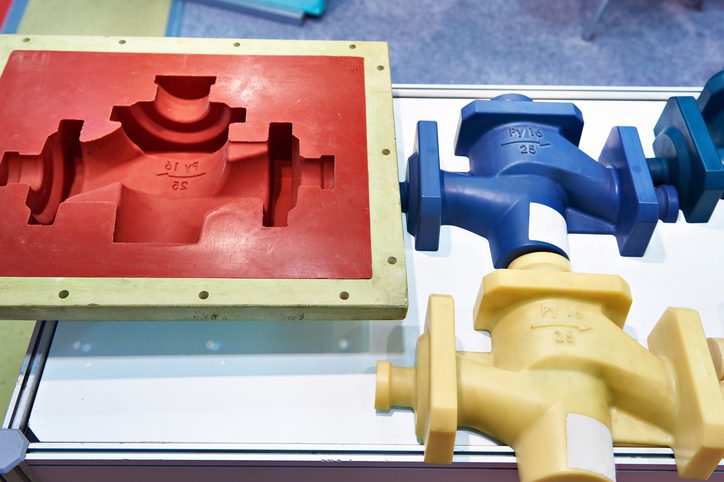
The biggest drawback is the cost of creating the moulds, which can be steep, especially for smaller projects. Moulds need to be manufactured with extreme precision, and that doesn’t come cheap.
2. Design Limitations
While you can achieve complex shapes, there are still some restrictions, like maintaining consistent wall thickness. If parts vary too much in thickness, you could run into defects or structural issues.
3. Not Ideal for Low-Volume Production
Due to the high initial investment in moulds, injection moulding is best suited for high-volume production. For smaller runs, the per-unit cost can end up being too high.
Question: What Are the Benefits of Injection Moulding in Manufacturing?
Injection moulding has several benefits, including fast production speeds, lower labour costs, and the ability to work with a variety of materials. It’s a great option for producing complex parts in large quantities, though the high initial costs mean it’s not ideal for every project.
Finding the Right Balance Between Cost and Efficiency
When considering injection moulding, it’s important to weigh the pros and cons carefully. While it offers excellent efficiency for large-scale production, the upfront costs may not be worth it for smaller or highly customised jobs that’s exactly where our expert team here at TMS kick in.
Making the Best Choice for Your Business
If you’re aiming to streamline your production process and cut costs, injection moulding could be worth exploring. But remember to consider your specific needs—production volumes, complexity, and budget—to decide if it’s the right choice for your business.
Is Injection Moulding the Right Fit?
Injection moulding can offer a lot of value to manufacturers, particularly for mass production. It’s fast, cost-effective over large runs, and supports flexible design options. But you’ll need to factor in the upfront costs and design restrictions to decide if it’s right for you.
If you’d like to learn more about how injection moulding could benefit your production, feel free to get in touch with us. We’re here to help you streamline your manufacturing process.