When it comes to injection moulding, one of the most important decisions in the entire process is choosing the right material. The properties of the plastic you select will determine how your product performs, how durable it is, and whether it meets safety and regulatory requirements. At Total Moulding Solutions, we understand that material selection isn’t a one-size-fits-all decision — it’s about finding the right balance of performance, cost, and compliance.
What to Think About When Choosing a Material
Intended Use of the Product
The function of your part will shape the choice of resin. Does it need to withstand high impact? Will it be exposed to sunlight, moisture, or extreme temperatures? Parts used in demanding sectors like aerospace, automotive, or medical need to be built for tough environments, otherwise they won’t last as intended.
Design and Form
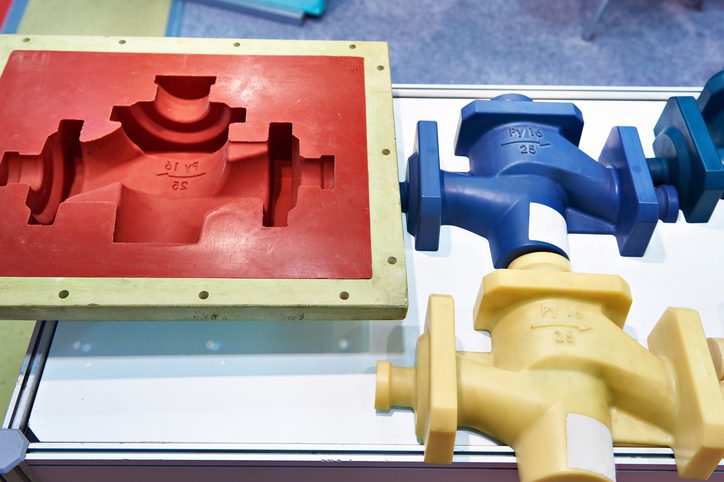
Complex designs with fine internal details or very tight tolerances may require specific materials that flow more easily in the mould. This ensures accuracy without compromising the integrity of the finished part.
Cosmetic and Surface Requirements
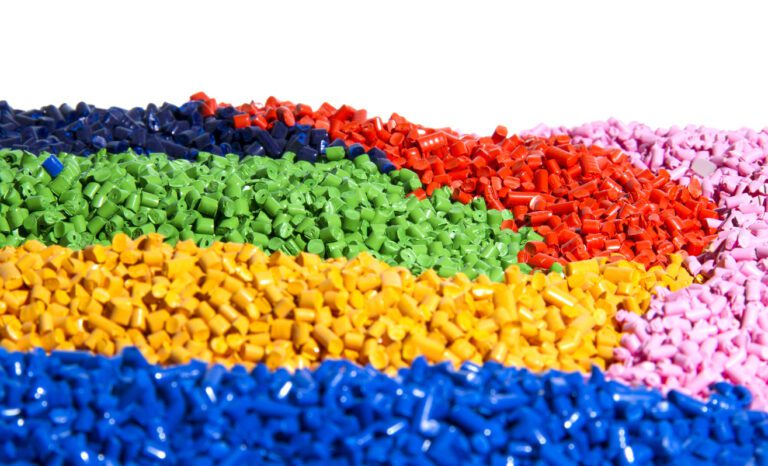
For many applications, appearance matters. Do you need full transparency, a specific colour, or a textured finish? Materials can be matched to your brand colours, while finishing standards (such as VDI or MoldTech textures) provide options for high-gloss, matte, or patterned surfaces.
Hardness and Flexibility
The hardness of a plastic — measured by the Shore scale — dictates how resistant it is to indentation. In contrast, flexibility allows a component to bend under stress without breaking. Selecting the right balance between these two factors is crucial to performance.
Regulatory Standards
Depending on the sector, your part may need to meet strict compliance requirements. For example, food packaging may need FDA or HACCP certification, while medical devices must use medical-grade materials. Meeting these standards can increase cost, so it’s best to identify the necessary certifications early.
Reinforcement and Additives
Plastics can be enhanced with additives to improve performance. Fibre reinforcement, flame retardants, or mineral fillers can dramatically increase strength, stiffness, or resistance to chemicals and heat. For instance, fibreglass can be added at different percentages to achieve higher rigidity.
Secondary Operations
Some moulded parts may need further machining or over-moulding. In these cases, the chemical and thermal properties of the chosen resin must be compatible with secondary processes to avoid defects or tool wear.
Product Lifetime
Finally, think about the expected service life of the part. Will it be used for just a few years, or does it need to last decades? Long-term durability often justifies investing in higher-performance resins.
Types of Resins
-
Commodity Resins – Cost-effective and easy to process, these are commonly used in high-volume products like packaging.
-
Engineering Resins – More advanced and robust, these materials offer higher strength, chemical resistance, and reliability, making them ideal for demanding industrial or consumer applications.
Why Material Selection Matters
The right material can make the difference between a product that fails in the field and one that performs flawlessly for years. By carefully considering environmental exposure, compliance, appearance, and lifespan, you can ensure your parts meet both functional and commercial goals.